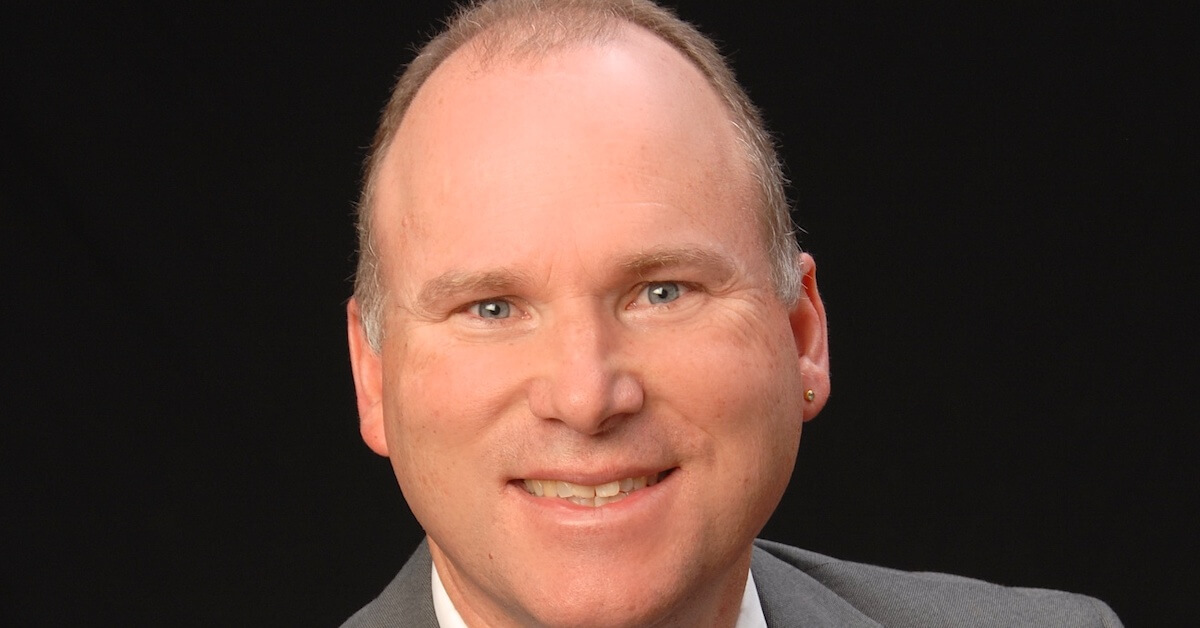
By Carla Carlton The coronavirus (COVID-19) and the many efforts to mitigate the outbreak have changed our normal routines in some pretty drastic ways. Government recommendations and actions seem to change moment to moment. All this uncertainty and change is apt to generate anxiety. Many people are probably asking themselves if they are overreacting—or underreacting—to the situation. So we asked Gary Petiprin, Ph.D., director of Bellarmine University’s Counseling Center, for advice on how to watch for and cope with stress; how to decide when it’s time to reach out to a healthcare provider; and how parents, who are dealing with stress themselves, can help their students. What are some common signs of stress to watch for during a situation like the COVID-19 pandemic? Stress is a normal part of the human experience and is our body and mind’s way of helping us respond to challenges in our environment. But too much stress without recuperation time can lead to emotional and physical problems. Stress levels during the pandemic are particularly high. Adapting to any kind of change can be stressful, but a radical change like we are encountering now can be overwhelming. In a recent Gallup poll, a greater percentage of respondents said that their mental health was suffering more than their physical health, and in a recent survey of college students, 20 percent said their mental health has worsened during the pandemic and 74 percent reported having trouble maintaining a routine. Common signs of excessive stress include:
- Muscle tension
- Headaches
- Abdominal pain/discomfort
- Grinding your teeth at night
- Trouble concentrating
- Change in appetite
- Change in sleep
- Irritability and anger
- Preoccupation with worry
Engage in prayer, meditation or other reflective practices: Spiritual practices are an important way to connect to meaning and something greater than ourselves.
For more suggestions, visit the National Alliance on Mental Illness website.
Some people who have never experienced depression or anxiety may be facing it now. How do you know when to reach out to a healthcare provider? This is a great question! Many of us may feel thrown off-kilter by these dramatic changes to our “normal lives” and might feel stressed, disappointed, sad, frustrated, etc. Using the stress management skills mentioned above can help us return to equilibrium. But if these symptoms are significantly impairing your functioning and/or are chronic, then it is time to consult with a mental-health professional for additional support. Examples include:- You find that it hard to get out of bed for several days in a row.
- You are consistently having great difficulty concentrating at work or school.
- You are unable to get adequate sleep due to worry.
- You cry most days or find no pleasure in activities you normally enjoy.
- You have thoughts of hopelessness or death (wishing you weren’t alive).
- Your substance use has significantly increased or is causing problems.
- You don’t want to socially connect with others.
- You are consistently irritable and angry.
What can parents do to help their students during this time? Even adults are quite challenged during this pandemic. And your children don’t necessarily have the perspective to understand the situation within context. So here are a few ideas for how you can help them manage their anxiety and stress: Maintain a routine for them. The structure can help bring a greater sense of predictability and better ensure that their lives are balanced. Talk openly about the crisis while remaining calm and reassuring. Find time for family fun and connection (watch a movie together, take a walk). In a recent survey by Active Minds, college students indicated that the best way parents could support them is to spend time with them. Look for ways to connect them with friends and relatives that they can’t see in person (e.g. Facetime with Grandma). Take care of yourself. If you aren’t doing well, then it becomes impossible to provide support to your children. Plus, you are a role model to them. My children – a high school senior and a college junior – are finding it difficult to finish school projects and to attend online classes some days; with no end to the pandemic in sight, they ask, “What’s the point?” I admit, sometimes I find myself feeling that way, too. How can we reframe our thinking to get to a more positive space? Difficult times like what we are currently experiencing, no doubt, challenge us to dig in deeper. Many of the standard activities and experiences that usually provide us with meaning and fun (e.g. social events, concerts, sports, ceremonies, the arts, dining, travel, adventures) may no longer be readily accessible. Additionally, the uncertainty of the pandemic and mitigation efforts have made it hard for any of us to have a sense of “light at the end of the tunnel” – it can feel never ending. Certainly, the current situation represents a crisis. While crises are rarely welcomed, they do provide an opportunity to reevaluate our lives. I often share with my clients that the Mandarin Chinese word for “crisis” comprises two symbols. One symbol represents “danger” and one symbol represents “opportunity” (or perhaps more accurately, a “changing point”). I think we can more readily see the danger in this crisis, but what is the opportunity for change here? Perhaps it comes from having to dig deeper to identify what gives us meaning in our lives and think more creatively about how we engage with those values. It is also an opportunity to practice living with uncertainty. If we fear uncertainty too much, then we will live in a state of anxiety and compulsively attempt to control things. Anxiety disorders can be conceptualized as misguided efforts to avoid uncertainty rather than accepting it. So, by opening ourselves up to uncertainty and thinking more creatively about what brings our life meaning, we are become more resilient and perhaps live a richer life. If someone were to ask me, “What is the point?” I think I would say “Exactly! What a great question to be asking ourselves all the time!” This is perhaps the ultimate question we need to ask ourselves as human beings, in the spirit of Thomas Merton. Of course, we miss things like sports, recreation, ceremonies, and everyday social gatherings. But is the meaning of life really just found in sporting events, going to movies and dining in restaurants? Or might it also be found in other ways? I don’t think Thomas Merton found meaning simply by attending a basketball game or going to a movie. And in the words of Nietzsche, “He who has a why to live can bear almost any how.”