Bachelor of Science in Public Health
Make Your Impact in Public Health
Program Overview
The public health system has never been more important, with its mission to “protect and improve the health of individuals, families, communities, and populations” (ASPPH). With such growth, the field constantly needs competent, compassionate public health professionals dedicated to remedying disparities and assuring equitable access to care and services.
The Bachelor of Science in Public Health prepares students for a multitude of roles in the varied fields of public health practice, from creating policy and conducting research, to leading public health organizations and developing preventive health practices to improve individuals’ quality of care and quality of life.
Why earn your degree at Bellarmine?
The Public Health degree at Bellarmine follows the rigorous curriculum standards from the Council on Education for Public Health (CEPH), a mark of excellence for public health programs. Students in the program also complete a 90-hour internship with local and community partners in the Louisville area, providing an opportunity to aid underserved communities through projects and support, and to prepare students for a future career in the field.
Many of the courses in the curriculum feature community engagement, a hallmark of attending Bellarmine, to give back to various populations in Kentucky. Faculty members who teach in the program are recognized as national experts and serve on committees for state and national organizations, which presents numerous travel and networking opportunities for students in the department.

Rigorous, Public Health-Focused Curriculum
The Public Health degree at Bellarmine follows the rigorous curriculum standards from the Council on Education for Public Health (CEPH), a mark of excellence for public health programs.

Engage with the Community
Students in the program complete a 90-hour internship with local and community partners in the Louisville area, providing an opportunity to aid underserved communities through projects and support, and to prepare students for a future career in the field.
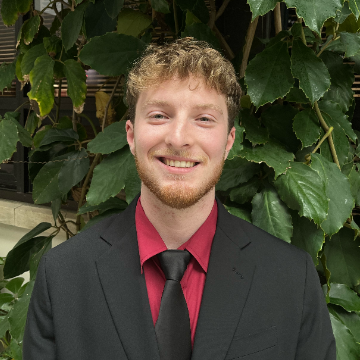
“The [major] opens more doors to what public health offers and what you can ultimately end up doing as a career. Through the Public Health major, I was able to attend the Kentucky Public Health Association conference. Actually being able to [learn] out of the classroom opens up so many different doors, and it’s crucial to my learning of how I can have a future career in public health."
Brenton Shrock '25, Public Health and Health Care Administration
90
Internship Hours
12:1
Student-to-Faculty Ratio
50+
Study Abroad Destinations
Program Highlights
- An interdisciplinary curriculum featuring courses from Public Health, Health Care Administration, Exercise Science, Nursing, Biology, Psychology, Sociology, Anthropology, Communication, and Economics
- Students are prepared for a multitude of graduate school programs through the curriculum, including programs directed toward Epidemiology, Biostatistics, Health Care Leadership, Medicine, Physical Therapy, Law, and Health Sciences
- Experiential learning to directly apply classroom knowledge during a required internship paired with an immersive capstone course
- Local, state, and national conferences are offered to students to present research and to network with professionals in their career field
Internships
Experienced leaders of highly regarded organizations in the fields of health care, senior living, public health, and aging services serve as mentors during internships designed to familiarize students with such operations. Every student can expect to gain first-hand, relevant career experience by completing a departmental rotation in a care center, participating in internal and external meetings, or performing approved projects for the host organization.
Career Opportunities
One of the most prominent demographic shifts anticipated across the United States—and throughout the industrialized world—over the next 10-15 years is an unprecedented growth in the number of older adults, both in pure number and percentage of the population. Organizations providing long-term care, senior living services, aging care and services, and public health services that address this demographic shift are expected to grow exponentially, as are companies that supply goods and services to those providers and public service agencies that regulate them.
The professions within aging care, senior living services, and public health require well-prepared leaders who can effectively plan, organize, and direct organizations to achieve strategic goals and advance their respective missions. With a Public Health degree, students can pursue a wide variety of careers:
- Administrator or Executive Director: Long-Term Care, Post-Acute Care, Home- and Community-Based Services, Seniors Housing
- Organizational Leadership: Finance, Human Resources, Marketing and Public Relations, Environmental and Risk Management, Health Informatics
- Public Sector: Epidemiologist, Biostatistician, Community Health Administrator, Public Policy Advocate, Government Regulatory Agency Staff
- Sales: Vendors of Pharmaceuticals, Goods, and Services to Healthcare Providers
- Private Sector: End-of-Life Doula, Health Science Writer, Health Equity Advocate, Public Health Advocate
Faculty
| Name | Title | |
|---|---|---|
| Dr. Madeline Tomlinson, Ph.D., MPH | Adjunct Professor, Public Health and Health Care Administration | mtomlinson@bellarmine.edu |
| Dr. Lyndsey Blair, Ph.D., MPH | Assistant Professor, Public Health and Health Care Administration | lblair3@bellarmine.edu |
Accreditation
The Department of Health Care Administration and Public Health at Bellarmine University is one of only 15 programs in the nation accredited by the National Association of Long Term Care Administrator Boards (NAB). NAB granted accreditation in 2021 for the Bachelor of Science in Health Care Administration degree. Students with this degree are eligible to sit for the national nursing home administrator and assisted living licensure exams, and are eligible for licensure in the majority of states following graduation.
Degree Requirements
Course Descriptions
Experiential Learning
Financial Aid
Scholarships
Tuition
Contact
Admissions
Admissions
admissions@bellarmine.edu
(502) 272-8000
The Department of Health Care Administration and Public Health at Bellarmine University
is accredited by the National Association of Long Term Care Administrator Boards (NAB).
NAB granted accreditation in 2021 for the Bachelor of Science in Health Care Administration
degree. 
Take Your Next Step
Start your Bellarmine story. Request information today.
Request InformationCome to campus and see what Bellarmine hospitality is all about.
Schedule Your Visit